

Are eco - friendly handmade bamboo toothbrushes biodegradable?
Oct 09, 2026
Are eco-friendly handmade bamboo toothbrushes biodegradable?
In an era where environmental concerns are at the forefront of global discussions, the demand for sustainable products has witnessed a significant upsurge. Among these, eco-friendly handmade bamboo toothbrushes have emerged as a popular alternative to their plastic counterparts. As a supplier of these innovative toothbrushes, I am often asked about their biodegradability. This blog post aims to delve into the scientific aspects of this question and provide a comprehensive answer.
The Composition of Handmade Bamboo Toothbrushes
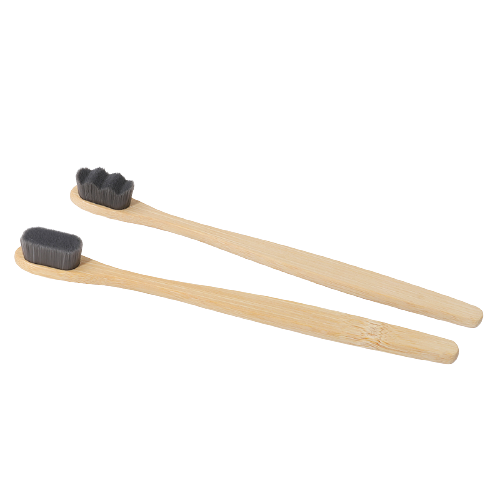
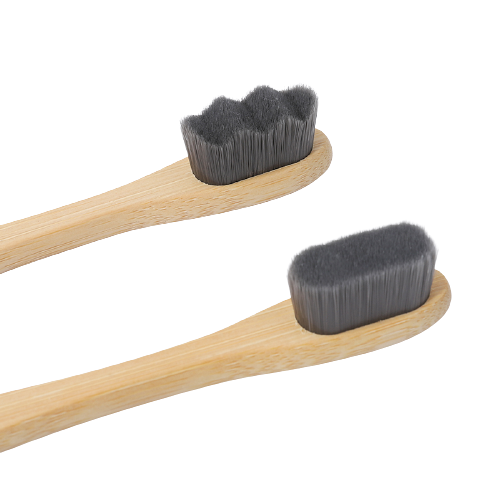
To understand the biodegradability of handmade bamboo toothbrushes, it's essential to first examine their composition. These toothbrushes typically consist of two main components: the handle and the bristles.
The handle is crafted from bamboo, a fast-growing and renewable resource. Bamboo is known for its strength, durability, and natural antibacterial properties. It is also highly biodegradable, meaning it can be broken down by microorganisms in the environment over time.
The bristles, on the other hand, can vary in material. Some eco-friendly bamboo toothbrushes use natural bristles made from materials like boar hair, which are biodegradable. However, many modern bamboo toothbrushes opt for synthetic bristles, such as nylon, due to their superior cleaning performance and hygiene. While nylon is not biodegradable in the traditional sense, some manufacturers are now using biodegradable alternatives, such as plant-based polymers, to make their bristles more environmentally friendly.
Biodegradability of Bamboo Handles
Bamboo is a type of grass that belongs to the Poaceae family. It is one of the fastest-growing plants on Earth, with some species capable of growing up to 91 cm (36 inches) in a single day. This rapid growth rate makes bamboo a highly renewable resource, as it can be harvested and replanted without causing significant damage to the environment.
When it comes to biodegradability, bamboo is an excellent choice. It is composed mainly of cellulose, hemicellulose, and lignin, which are natural polymers that can be broken down by microorganisms in the soil. Under the right conditions, a bamboo handle can decompose within a few months to a few years, depending on factors such as temperature, humidity, and the presence of oxygen.
In a composting environment, where there is a rich supply of microorganisms and a balanced mix of carbon and nitrogen, bamboo can biodegrade relatively quickly. The process begins with the decomposition of the outer layers of the bamboo, followed by the breakdown of the inner fibers. As the bamboo decomposes, it releases nutrients back into the soil, which can be used by plants to grow.
Biodegradability of Bristles
The biodegradability of the bristles on a handmade bamboo toothbrush depends on the material used. As mentioned earlier, natural bristles made from boar hair are biodegradable. Boar hair is a protein-based material that can be broken down by enzymes produced by microorganisms in the soil. Under the right conditions, boar hair bristles can decompose within a few months to a year.
However, as synthetic bristles like nylon are more commonly used in modern bamboo toothbrushes, their biodegradability is a more complex issue. Nylon is a synthetic polymer made from petroleum-based chemicals, which are not easily broken down by natural processes. In a landfill environment, nylon can take hundreds of years to decompose, contributing to the growing problem of plastic pollution.
To address this issue, some manufacturers are now developing biodegradable alternatives to nylon bristles. These alternatives are typically made from plant-based polymers, such as polylactic acid (PLA) or polyhydroxyalkanoates (PHA). These polymers are derived from renewable resources, such as corn starch or sugarcane, and can be broken down by microorganisms in the environment.
While biodegradable bristles are a promising development, it's important to note that their performance may not be on par with traditional nylon bristles. They may be less durable, have a shorter lifespan, or provide less effective cleaning. However, as technology continues to improve, we can expect to see more high-quality biodegradable bristles hitting the market in the future.
Our Product Range
As a supplier of eco-friendly handmade bamboo toothbrushes, we are committed to providing our customers with products that are not only sustainable but also effective. Our product range includes a variety of toothbrushes to meet the diverse needs of our customers.
One of our popular products is the Toothbrush Bamboo Charcoal. This toothbrush features a bamboo handle infused with activated charcoal, which is known for its air purification and odor absorption properties. The charcoal helps to keep the toothbrush fresh and clean, reducing the growth of bacteria and mold.
We also offer the Nano Soft Bristle Bamboo Toothbrush, which is designed for people with sensitive teeth and gums. The nano-soft bristles are gentle on the teeth and gums, providing a thorough yet comfortable cleaning experience.
For those who prefer a more traditional toothbrush design, we have the Bamboo Handle Toothbrush. This toothbrush features a classic design with a smooth bamboo handle and high-quality bristles. It is a great choice for anyone looking for a simple and effective toothbrush that is also eco-friendly.
Conclusion and Call to Action
In conclusion, eco-friendly handmade bamboo toothbrushes can be biodegradable, depending on their composition. The bamboo handles are highly biodegradable and can break down relatively quickly in a composting environment. The bristles, on the other hand, can vary in biodegradability, with natural bristles being more biodegradable than synthetic ones. However, as technology advances, we are seeing more biodegradable alternatives to synthetic bristles hitting the market.
If you are interested in purchasing our eco-friendly handmade bamboo toothbrushes, we invite you to contact us for a procurement discussion. We are happy to answer any questions you may have and provide you with more information about our products. Together, let's make a positive impact on the environment by choosing sustainable products.
References
- "Bamboo: A Sustainable Resource." World Bamboo Organization.
- "Biodegradable Polymers for Packaging Applications." Journal of Polymer Science Part B: Polymer Physics.
- "The Environmental Impact of Toothbrushes." Environmental Science & Technology.