

How often should I replace a recyclable natural bamboo toothbrush?
Jan 20, 2026
As a supplier of recyclable natural bamboo toothbrushes, I often get asked, "How often should I replace a recyclable natural bamboo toothbrush?" This question is not only crucial for maintaining good oral hygiene but also for making the most out of these eco - friendly alternatives. In this blog, I'll delve into the factors that determine the replacement frequency and offer some practical advice.
The Basics of Oral Hygiene and Toothbrush Replacement
Oral hygiene is a cornerstone of overall health. A toothbrush is our front - line weapon in the fight against plaque, bacteria, and cavities. The American Dental Association (ADA) generally recommends replacing a toothbrush every three to four months. This guideline applies to most types of toothbrushes, including recyclable natural bamboo toothbrushes.
The reason behind this recommendation is that over time, the bristles of a toothbrush wear out. Worn - out bristles are less effective at removing plaque and debris from teeth. They can become frayed, bent, and lose their ability to reach into the nooks and crannies between teeth and along the gumline. Moreover, toothbrushes can harbor bacteria, fungi, and other microorganisms. These pathogens can accumulate on the bristles, especially in a moist bathroom environment, and potentially cause oral infections or other health problems.
Factors Affecting the Replacement Frequency of Bamboo Toothbrushes
1. Bristle Quality
The quality of the bristles on a recyclable natural bamboo toothbrush plays a significant role in determining how long the toothbrush will last. High - quality bristles, such as those made from natural materials like hog bristles or nylon derived from renewable resources, tend to be more durable. They can maintain their shape and effectiveness for a longer period compared to lower - quality bristles.
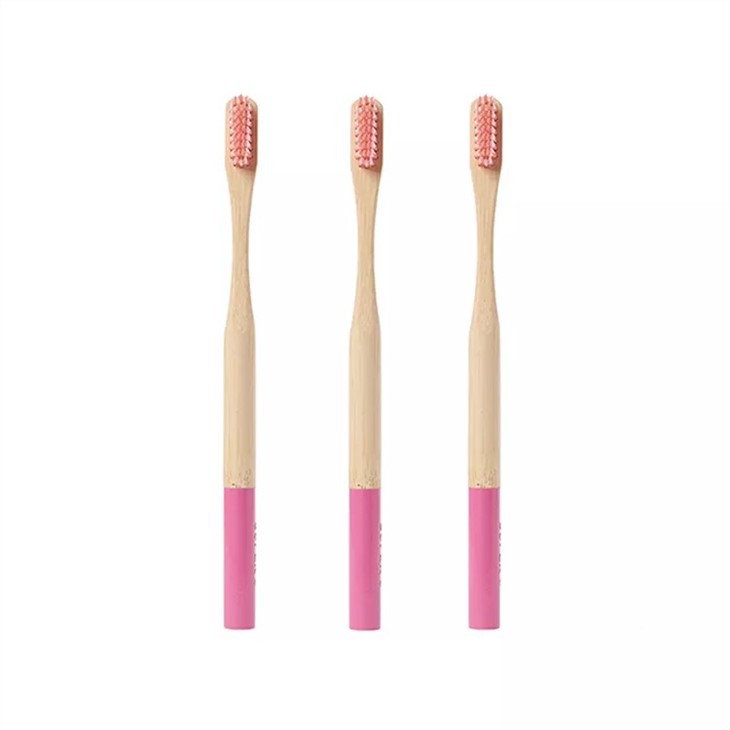
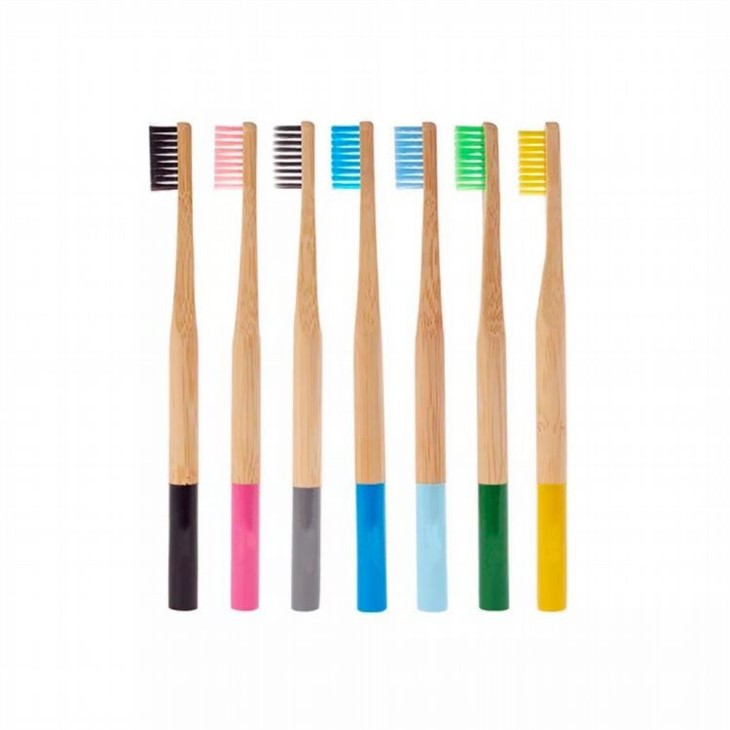
We, as a supplier, ensure that our Organic Bamboo Toothbrush is equipped with top - notch bristles. These bristles are carefully selected to provide optimal cleaning power while remaining gentle on the gums. However, even with high - quality bristles, wear and tear will eventually occur.
2. Brush Pressure
The amount of pressure you apply when brushing your teeth has a direct impact on the lifespan of your toothbrush. People who brush too hard put excessive stress on the bristles, causing them to wear out more quickly. On the other hand, those who use a gentle brushing technique can extend the life of their toothbrush.
It's important to note that aggressive brushing can also damage your teeth and gums. The proper way to brush is to use a soft - bristled toothbrush and apply moderate pressure. A Best Natural Toothbrush like ours is designed with this in mind, providing a comfortable grip and soft bristles to encourage a gentle brushing action.
3. Usage Frequency
How often you use your toothbrush is another factor. If you brush your teeth twice a day, as recommended by dental professionals, your toothbrush will wear out at a certain rate. However, if you brush more frequently, say three or four times a day, the bristles will be subjected to more friction and will need to be replaced sooner.
Specific Signs That Your Bamboo Toothbrush Needs Replacement
1. Bristle Appearance
Visually inspecting the bristles is the easiest way to tell if your toothbrush needs to be replaced. If the bristles are frayed, splayed out, or bent, it's a clear sign that the toothbrush is no longer in good condition. Frayed bristles won't be able to clean your teeth as effectively as new ones, and they may even cause irritation to your gums.
2. Effectiveness of Cleaning
If you notice that your teeth don't feel as clean after brushing, or if you're experiencing more plaque buildup or bad breath, your toothbrush may be the culprit. A worn - out toothbrush struggles to remove plaque, which can lead to these oral hygiene issues.
3. Hygiene Concerns
As mentioned earlier, toothbrushes can harbor bacteria. If you've been sick, it's a good idea to replace your toothbrush as soon as you recover to prevent re - infection. Additionally, if you notice any mold or an unpleasant odor coming from your toothbrush, it's time for a new one.
Benefits of Using Recyclable Natural Bamboo Toothbrushes
Before we wrap up the discussion on replacement frequency, let's take a moment to highlight the benefits of using recyclable natural bamboo toothbrushes.
1. Environmental Friendliness
Bamboo is a highly sustainable material. It grows quickly, requires minimal water and pesticides, and can be harvested without causing damage to the environment. Unlike plastic toothbrushes, which can take hundreds of years to decompose, bamboo toothbrushes are biodegradable. When the time comes to replace your toothbrush, the Bamboo Toothbrush Handle can be composted, reducing your carbon footprint.
2. Health Benefits
Natural bamboo toothbrushes are often free from harmful chemicals like BPA and phthalates, which are commonly found in plastic toothbrushes. These chemicals can leach into your mouth and potentially have negative health effects. Using a natural bamboo toothbrush provides a safer and more natural option for your oral hygiene.
Conclusion and Call to Action
In conclusion, while the general recommendation is to replace your recyclable natural bamboo toothbrush every three to four months, several factors can influence this timeline. By paying attention to the signs of wear and tear, such as bristle appearance and cleaning effectiveness, you can ensure that you're using a toothbrush that is both hygienic and functional.
If you're interested in purchasing our high - quality recyclable natural bamboo toothbrushes, we'd love to hear from you. Whether you're a retailer looking to stock our products or an individual interested in placing a bulk order, please don't hesitate to reach out. We're committed to providing the best - quality natural toothbrushes at competitive prices, and we look forward to the opportunity to work with you.
References
- American Dental Association. (Recommendations on toothbrush replacement).
- Research studies on the durability of natural toothbrush bristles.
- Environmental impact reports on bamboo as a sustainable material.